
Recovery Is Not Linear: What the Path Can Look Like
There is no single “right” way to heal. Recovery is often imagined as a straight line — crisis, treatment, improvement, and resolution. But for many people, healing doesn’t follow a neat or predictable path. Progress may come in steps forward, pauses, and sometimes setbacks.
That doesn’t mean recovery isn’t happening. It means recovery is human.
At the Bridge Center for Hope, recovery is understood as a process — one that unfolds over time and looks different for every individual.
 What Recovery Can Feel Like
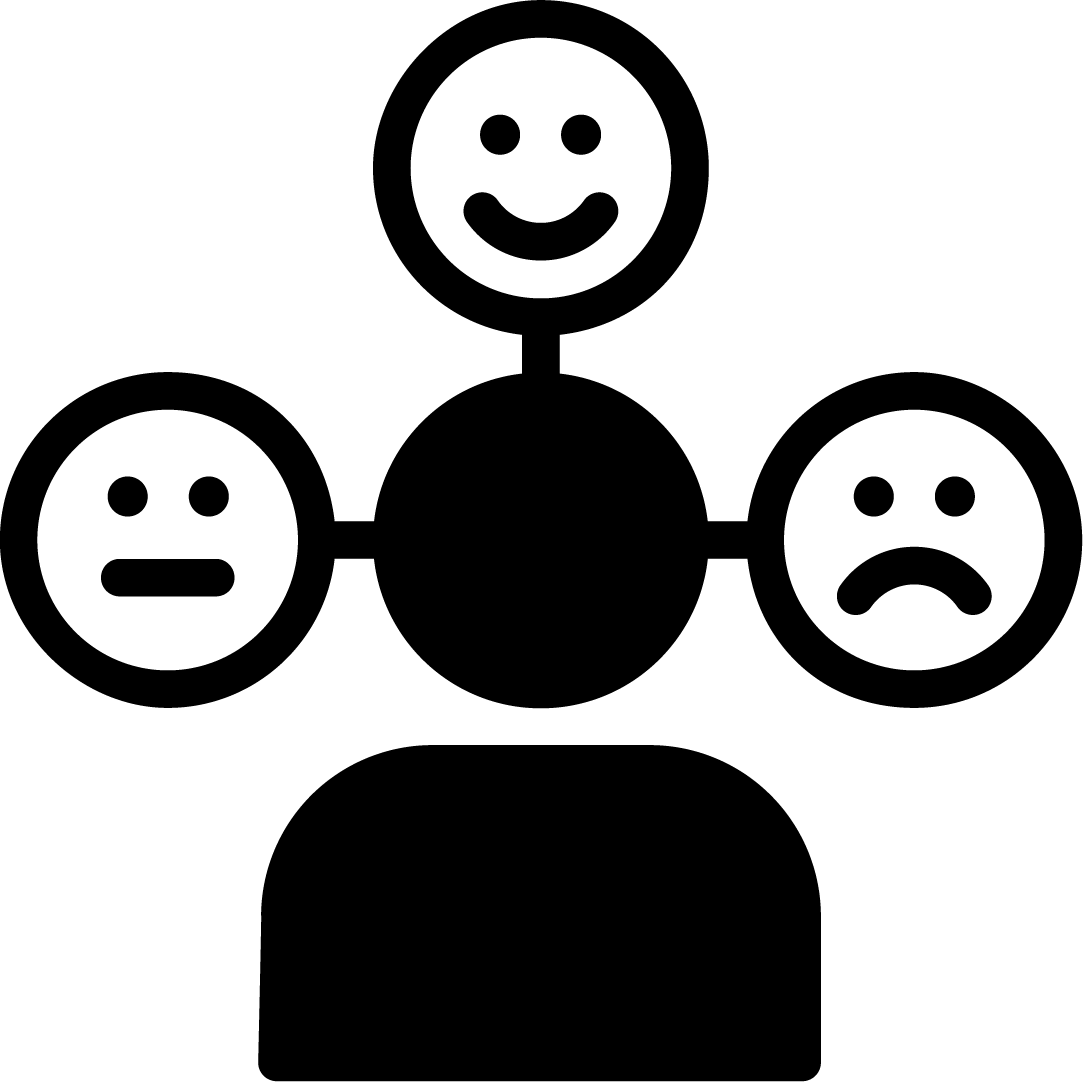
After a mental health or substance use crisis, people often experience a wide range of emotions. Some days may feel hopeful and steady. Other days may feel uncertain, exhausting, or frustrating. Recovery can include:
Periods of stability followed by moments of struggle
Learning new coping skills — and relearning them
Feeling stronger one day and overwhelmed the next
Needing support more than once
Adjusting expectations as life circumstances change
These experiences are common — and they do not erase progress.
It’s easy to view setbacks as signs of failure, but they are often part of the learning process. Stress, life changes, health issues, or disruptions in routine can all affect mental health and recovery.
Needing additional support, returning for care, or asking for help again doesn’t mean you’ve “gone backward.” It means you’re responding to your needs — and that is a strength.
Because recovery is not linear, continued connection to care and support is essential. Recovery is strengthened by:
Follow-up appointments and outpatient care
Community resources and peer support
Stable housing and basic needs met
Trusted relationships with family, friends, or natural supports
Knowing where to turn when things feel overwhelming again
Recovery isn’t about doing everything alone — it’s about building a network that supports you through changing seasons.
Recovery doesn’t always mean the absence of symptoms or stress. Sometimes progress looks like:
Recognizing early signs of distress
Reaching out before a crisis escalates?
Using coping tools more consistently
Asking for help sooner than before
Returning to care when needed
These moments — even when quiet or unseen — are meaningful steps forward.
Healing takes patience. It takes kindness — especially toward yourself. Comparing your journey to someone else’s can make recovery feel heavier than it needs to be.
Allowing yourself space to heal at your own pace helps create room for growth, resilience, and understanding.
Recovery is not about perfection or permanence. It’s about movement — toward safety, stability, and connection — even when the path curves or pauses.
At the Bridge Center for Hope, recovery is seen as a journey that deserves care, flexibility, and support. No matter where you are on that path, help is available — and you don’t have to walk it alone.
Healing doesn’t have to be linear to be real.