
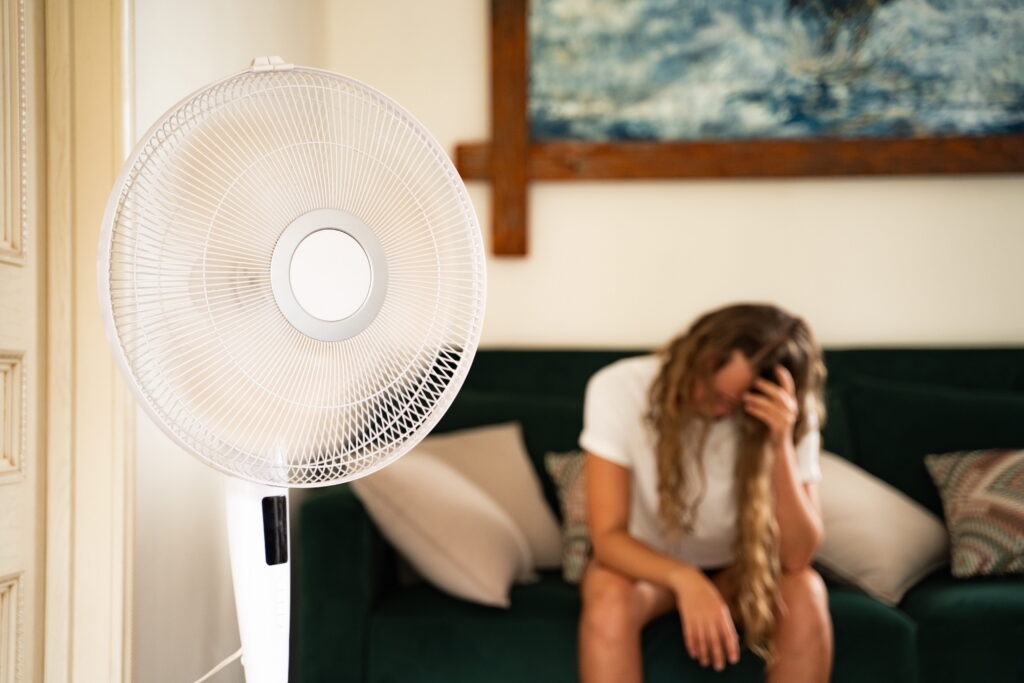
How Extreme Heat Affects Mental Health
Heat can impact more than physical comfort. Warm weather and sunshine can feel uplifting — but when temperatures climb into extreme heat conditions, the effects go beyond sweat and discomfort. Heat waves and very high temperatures can influence mental and emotional well-being for many people.
During prolonged heat, emotional balance, mood, and stress levels can change in ways that feel surprising or difficult to manage. Being aware of these impacts helps you care for yourself and others — especially those who may be more vulnerable.
When temperatures rise, people often notice shifts in mood and thinking. Extreme heat has been linked with:
Increased irritability and anxiety — heat can make everyday stress feel harder to manage.
Sleep disruptions — hot nights can interfere with rest, which in turn affects emotional stability and concentration.
Worsening of existing symptoms — people with anxiety, depression, bipolar disorder, or other mental health conditions may feel their symptoms more intensely during heat events.
Heightened risk for people with certain conditions — individuals with serious mental illness, including schizophrenia, may face greater challenges during heat waves, and some medications can affect the body’s ability to regulate temperature.
Heat doesn’t change who you are — but it can make coping harder and mood shifts more noticeable. Recognizing this can help you respond with kindness and care.
Extreme heat doesn’t affect everyone equally. Some groups may be at greater risk of heat-related emotional distress:
People with pre-existing mental health conditions — symptoms may intensify and response to heat stress may be harder to manage.
People taking certain medications — some psychiatric medications can make temperature regulation more difficult.
Individuals without access to cooling or safe indoor spaces — lack of air conditioning or shade can increase discomfort and stress.
People experiencing social isolation or limited support — being alone during extreme heat can make distress feel heavier.
Disrupted routines and sleep patterns — sleep quality often declines with high nighttime temperatures, which can worsen mood and concentration.
Being aware of these risks — both for yourself and for those you care about — can help guide preventive steps.
You can take practical steps to protect both your physical and emotional health during hot weather:
Stay Hydrated
Water supports your body and mind.
Stay Cool When Needed
Seek shade, air-conditioned spaces, or cooling centers during peak heat.
Check In With Others
A quick call, text, or visit can make a big difference for someone feeling overwhelmed by heat or stress.
Take Breaks From the Heat
Avoid strenuous activities during the hottest parts of the day.
Prioritize Sleep Comfort
Cooler sleep environments help regulate mood and energy.
Keep Routines as Steady as Possible
Regular meals, rest, and movement support emotional balance.
You don’t have to be perfect — these small choices add up and can help you feel more in control, even when the weather feels unbearable.
If heat is making emotions harder to manage, or if you notice that mood, anxiety, or thoughts are becoming difficult to cope with, reaching out for support is a strong and important step. Talking with a trusted friend, family member, or a mental health professional can help you navigate these feelings.
During times of crisis — regardless of the cause — immediate help is available. You don’t have to figure it out alone.
 Heat Is Real — But So Is Support
Extreme heat is more than an inconvenience — it can affect how we think, feel, and interact with the world. By tuning in to how heat impacts your mental well-being and the well-being of others, you can take thoughtful steps to care for yourself and your community.
Your emotional health matters, no matter the temperature outside — and caring for it, one thoughtful choice at a time, can make all the difference.
Learn More About: