
Home > Resources > Crisis Care
The Role of Peer Support in Crisis Care
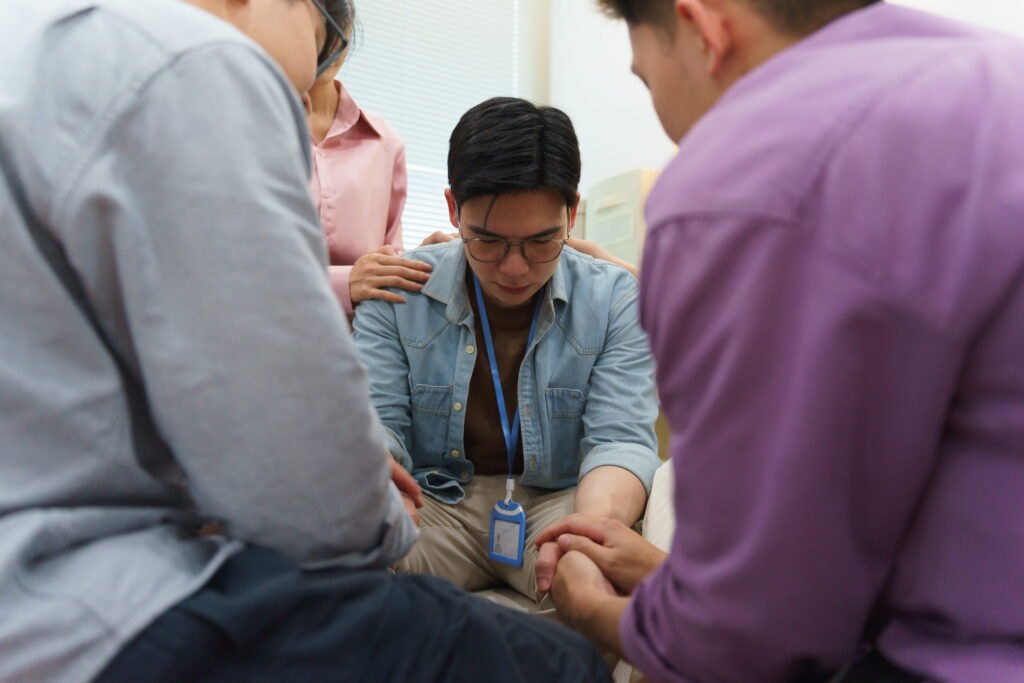
Support from someone who’s been there. During a mental health or substance use crisis, feeling understood can be just as important as feeling safe. Clinical care matters — but so does human connection. That’s where peer support plays a powerful role in crisis care at the Bridge Center for Hope.
Peer support specialists are an essential part of the care team, offering empathy, encouragement, and understanding grounded in lived experience. Their presence helps people feel less alone at a moment when isolation can feel overwhelming.
Peer support is provided by trained professionals who have personal experience with mental health challenges, substance use recovery, or both. This lived experience allows them to connect with people in crisis in a way that feels authentic, relatable, and hopeful.
Peer support specialists don’t replace clinicians or medical staff — they work alongside them. Together, the care team focuses on stabilization, dignity, and helping individuals move through crisis with support and respect.
A crisis can make it hard to trust, communicate, or believe that things can improve. Peer support helps bridge that gap. Because peers have walked similar paths, they can:
Help people feel seen and heard without judgment
Offer reassurance during moments of fear or uncertainty
Normalize the experience of asking for help
Encourage hope and self-determination
Sometimes, knowing that someone else has faced similar struggles — and found a way forward — can make the next step feel possible.
 Peer Support at the Bridge Center
At the Bridge Center for Hope, peer support specialists are integrated throughout crisis care. They may be part of:
Walk-in crisis services
Crisis stabilization care
Mobile Crisis Response teams
Peers work directly with individuals during moments of distress, helping them navigate what’s happening, understand their options, and feel supported throughout their stay or interaction with the Center.
Their role is grounded in listening, empathy, and respect — meeting people exactly where they are.
For many people, seeking crisis care can bring fear or uncertainty. Peer support helps ease that tension.
By sharing understanding and offering reassurance, peer specialists help create a calmer, more welcoming environment. They support individuals in asking questions, expressing concerns, and participating in decisions about their care.
This trust-building approach is especially important during crisis, when emotions are high and clarity can be hard to find.
Peer support doesn’t stop at stabilization. Peer specialists also help individuals think about what comes next — whether that means connecting to community resources, ongoing treatment, or personal supports.
By focusing on strengths, resilience, and choice, peer support helps people leave crisis care feeling more grounded and better prepared for the next step in their recovery.
 A Human Connection in a Moment of Need
Crisis care is about more than managing symptoms — it’s about restoring a sense of safety, dignity, and hope. Peer support plays a vital role in that process.
At the Bridge Center for Hope, peer support specialists remind people in crisis that they are not alone — and that recovery is possible, even in the hardest moments.